

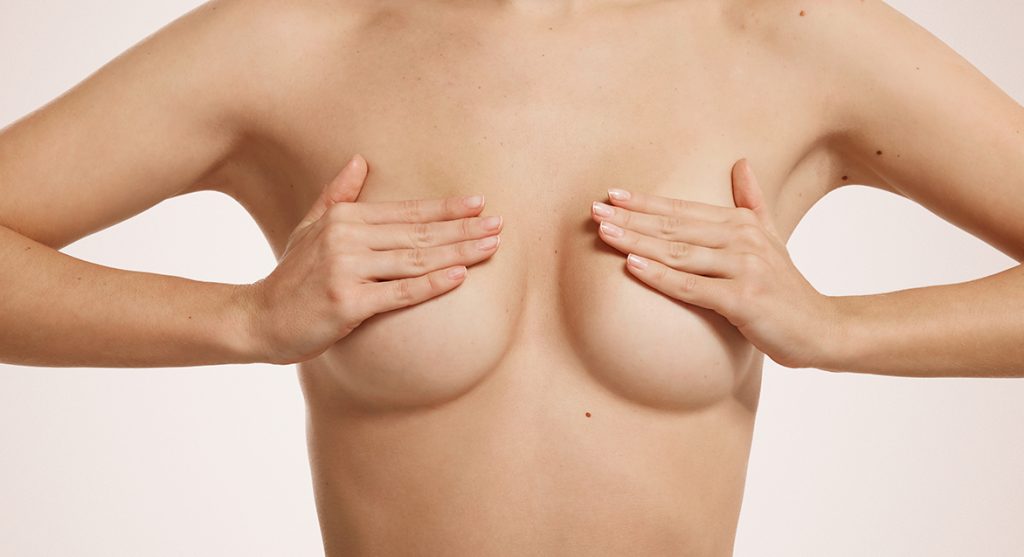
Breast Lift
Breast Lift (Mastopexy)
Why Do Breasts Sag? Several factors contribute to breast sagging, primarily aging, significant weight fluctuations, pregnancy, and excessive smoking. As the ligaments supporting the breasts loosen over time, the resulting drooping (ptosis) can be corrected through specialized surgical procedures performed by expert aesthetic surgeons in clinical settings.
How is a Breast Lift Performed? During an aesthetic breast lift surgery, sagging breast tissue is reshaped, excess skin is removed, and the nipple is repositioned to its ideal height. The procedure is performed under general anesthesia in a hospital operating room and typically takes 1.5 to 2 hours.
Depending on the degree of sagging and the surgical technique chosen, there are three main types of potential scarring. It is important to note that regardless of the method, a scar around the nipple is unavoidable. The resulting scars may be:
Only around the nipple (periareolar),
Around the nipple with a vertical line extending 5-7 cm down (vertical/lollipop lift),
Or, in addition to these, a horizontal scar in the breast fold (inverted T or anchor lift).
While there is no such thing as a “scarless” breast lift, these marks fade significantly over time and become barely noticeable. In cases where breast volume is insufficient, a breast implant can be inserted simultaneously or in a subsequent session to increase fullness, a procedure known as Augmentation-Mastopexy.
What Should Be Done Before a Breast Lift? As with all breast surgeries, it is essential to discuss your motivations and expectations with your doctor. Inform your surgeon of any family history of breast disease or cancer, smoking habits, medication use, or systemic illnesses. Be sure to ask about the specific surgical plan and potential risks.
What is the Recovery Process After a Breast Lift? The postoperative period is generally comfortable, and pain is typically not a major concern. If a breast implant was used during the procedure, there may be a slight restriction in arm movements for a few days. If drains were placed to remove excess fluid, they are usually removed within 24 to 72 hours.
After one or two dressing changes, the incisions are left open. Dissolvable sutures are typically used and do not require removal; if non-dissolvable stitches are used, they are removed on day 10-12. Patients usually stay in the hospital for one day and can shower after one week. A supportive sports bra must be worn for 6 weeks. Initial edema (swelling), temporary numbness in the nipple, or slight bruising on the skin may occur, but these resolve spontaneously in a short time.
At What Age Can a Breast Lift Be Performed? To undergo this operation, breast development must be fully complete, which generally requires the patient to be at least 18 years old. Aside from this requirement, there is no upper age limit.
Can I Breastfeed After a Breast Lift? During breast lift surgery, the tissue is reshaped to provide form and projection while excess skin is removed. Throughout this process, the vital connections between the nipple and the underlying breast tissue are preserved. Therefore, patients typically do not experience any issues with breastfeeding following a breast lift operation.