

Breast Asymmetry
Breast Asymmetry Correction
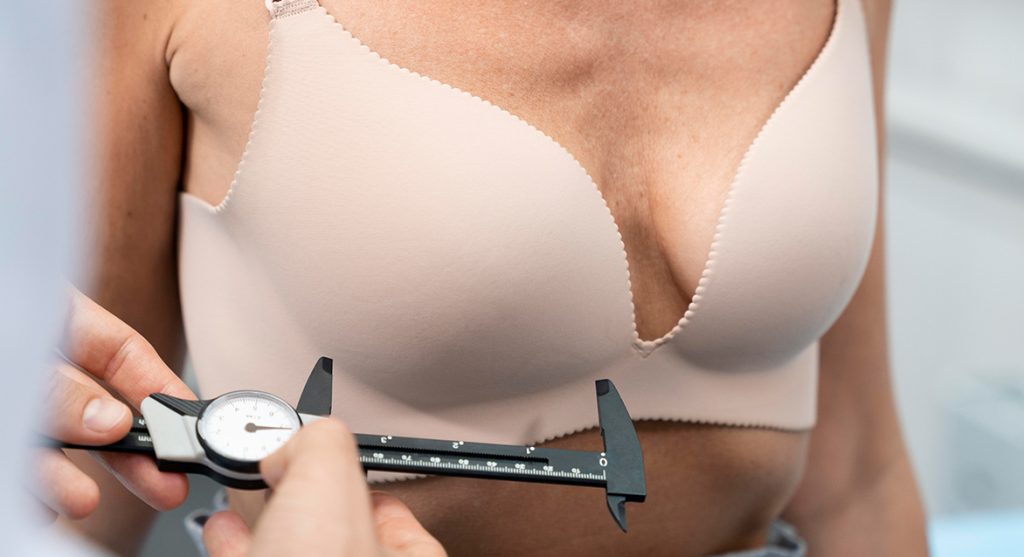
What is Breast Asymmetry? Breast asymmetry refers to a noticeable difference in size or shape between the two breasts. Almost all women have some degree of breast asymmetry. In fact, during routine measurements and surgical planning, it is consistently observed that the vast majority of women have naturally asymmetrical breasts.
What Causes Breast Asymmetry? The majority of breast asymmetry is congenital (present at birth). Noticeable asymmetry occurs when one breast develops less or more than the other. Additionally, inequalities can develop after childbirth due to differing amounts of milk production in each breast or if a baby favors nursing on one side. During the post-breastfeeding period, if the breasts change in size at different rates, a previously unnoticeable asymmetry may become prominent, or a completely new asymmetry may develop.
How is Breast Asymmetry Corrected? When treating breast asymmetry, the shape and size of both breasts are crucial factors. In congenital cases, for instance, a mutual decision is made regarding which breast will be matched to the other. Aesthetically, the goal is often to match the size of the breast that the patient prefers.
For example, if one breast is excessively large, it can be reduced to match the smaller one. The exact opposite is also common: if one breast has an ideal, preferred shape and size while the other is underdeveloped or visually smaller, a silicone implant can be placed in the smaller breast to enlarge it and achieve perfect symmetry.
How is Breast Asymmetry Surgery Performed? Breast asymmetry surgery is performed similarly to other breast surgeries, utilizing the same proven techniques. The procedure is performed under general anesthesia. During the physical consultation, a tailored surgical plan is created based on the breast shape and the specific procedures required to balance each breast.
Is Breastfeeding Possible After Breast Asymmetry Surgery? Mothers can absolutely breastfeed their babies after breast asymmetry surgery. Whether the procedure involves placing a silicone implant or performing a breast reduction, breastfeeding remains possible in both scenarios. Because silicone implants are typically placed completely beneath the breast tissue, the milk glands and breast tissue remain entirely healthy and undisturbed above the implant.
Can I Exercise After Breast Asymmetry Surgery? Sports and exercise can generally be resumed about 1.5 months after breast asymmetry surgery. Patients typically return to their normal daily lives within 1 week. Light activities that only engage the lower body, such as walking, are permitted early on. However, patients must wait at least 2 months before engaging in sports or exercises that heavily strain the chest and arm muscles.
Is There an Age Limit for Breast Asymmetry Surgery? If breast asymmetry is congenital, it typically becomes noticeable after puberty. By the age of 16 or 17, any existing asymmetry becomes quite obvious. However, to ensure that breast development is fully complete, it is a medical standard to wait until the age of 18 for the surgery.